Performance marketing + paid media
Ads are the
last thing,
not the first.
Most small businesses buy advertising before they have the things that make advertising work. When the groundwork is there, this is the fastest lever you have. When it is not, it is the fastest way to spend three thousand dollars and learn nothing.
The ad is almost never the reason it worked.
An ad has one job: get the right person to a page. What happens after that is what decides whether you made money. If the page does not say what you do, does not load properly on a phone, or does not give someone an obvious way to act, the ad can do its job perfectly and the money is still gone.
That is why this sits at the end of the list instead of the front of it. Everything else BlackCat does is what makes this part work, and I would rather build that first than sell you traffic pointed at a leak.
Before we spend anything
Five things that have to be true before I will run ads for you.
Not a qualification test, and not an upsell. These are the five things that decide whether your money turns into customers or into a lesson.
You know what a customer is worth
Roughly is fine. If one new customer is worth four hundred dollars to you, we know what we can afford to spend to get one. Without that number, nobody can tell you whether it worked.
There is somewhere good to land
Ads should not point at your homepage. They should point at a page built for the one thing the ad promised. If that page does not exist yet, building it comes first.
Somebody answers
Paid attention is impatient. A form that sits unread until Thursday is a lead you paid for and let go cold. This is the most common way ad money quietly disappears.
Something is being counted
Calls, forms, bookings, whatever a win looks like for you. If nothing is measured, we are guessing with your money and calling it marketing.
The first budget is tuition
The first few weeks buy information, not profit. Anyone who tells you otherwise is selling. If losing that first amount would genuinely hurt, wait until it would not.
If two or three of these are not true yet, I will tell you, and we will fix those before anything runs. That is almost always cheaper than the ads would have been.
What running ads means here
Three different jobs, often confused for one.
Most of the time a small business needs one of these, not all three. Starting with all three is how budgets get wasted.
Getting found
Search ads, for when people are already looking for what you sell and you are not in the results. The wanting is already there. You are buying the position.
- Google Search for the terms customers actually type
- Local targeting, so you are not paying for another state
- Landing pages built for one service, not the whole business
- Call tracking, so the phone counts as a result
Getting known
Social ads, for when nobody is searching for you yet because they do not know the thing exists. You are interrupting, so the creative carries all the weight.
- Facebook and Instagram, built for sound off and thumb speed
- Several versions of the creative, not one hopeful post
- Motion where it earns its place, still images where it does not
- Audience built on who buys, not who you assume buys
Getting them back
Retargeting the people who already came and left without acting. The cheapest advertising you will ever run, and the piece most small businesses never switch on.
- Following up with visitors who did not convert
- A different message than the one that did not land
- Sensible limits, so you are not haunting anybody
- Usually the first thing I would turn on, not the last
No prices here, same as everywhere else on this site. What this costs depends on which of the three you need and what your budget is doing, and I cannot know that until we talk. Talking is free.
I don't
run the
ads.
I build the brand, the creative and the page the ad points at. The campaigns themselves are run by a paid media specialist I work with, because doing that well is a full time discipline and I would rather bring in somebody who does it every day than pretend it is a sideline of mine.
What does not change is who you talk to. One point of contact, one invoice, one person responsible when something is not working. You will not be handed to somebody you have never met, and you will never be told it is the other supplier's fault.
And if you would rather work with her directly, say so and I will introduce you and step out of the middle. That is a real option, and it costs you nothing.
How it works
Small on purpose, then bigger once it is earning.
-
01
We go through the five
An honest look at what is already true and what is not. If the answer is that you are not ready, you get that in writing and it costs you nothing.
-
02
We build what is missing
Usually the landing page and the tracking. Sometimes the offer needs saying differently before it is worth putting money behind.
-
03
It starts small
A deliberately modest budget across a few versions, to find out what is true rather than to win immediately. Scaling a guess is how people lose money fast.
-
04
You get a report you can read
Monthly, in plain language. What we spent, what came back, and what I would change next. Not a dashboard login you will never open.
Proof
The ad, and the page it had to land on.
Zone Mouthguard. One of these stops the thumb. The other decides whether the money came back. Both were built here, which is the entire reason this service sits inside BlackCat instead of somewhere else.
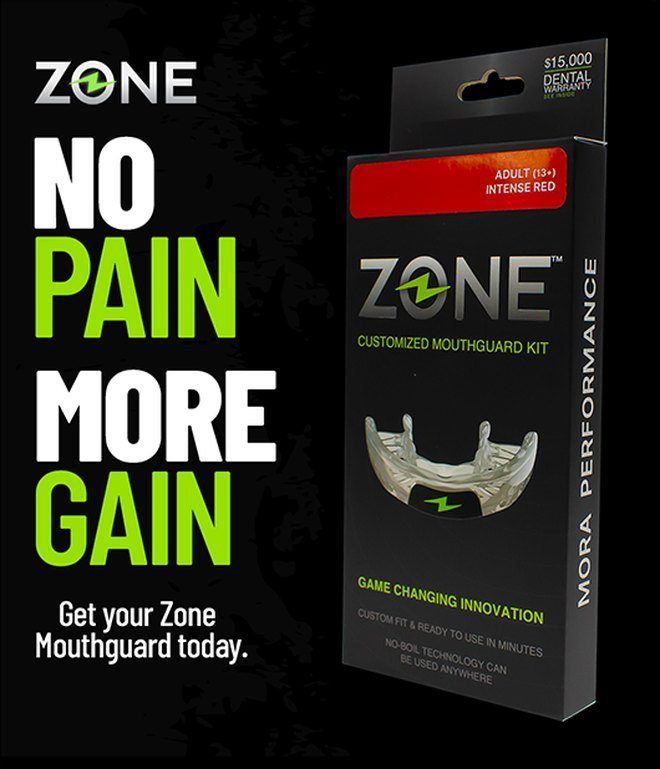
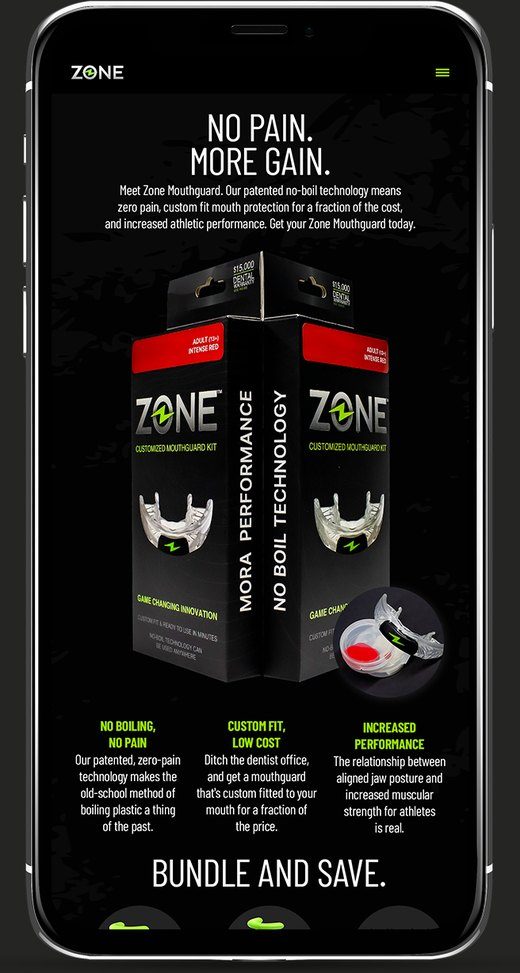
The ad makes a single promise in four words, at a size you can read at arm's length. The page keeps that promise in the first screen: the same words, the same product, the three reasons underneath, and a way to buy without hunting for it. Most campaigns get the first half right and lose the money on the second.
Four more, across four very different businesses.
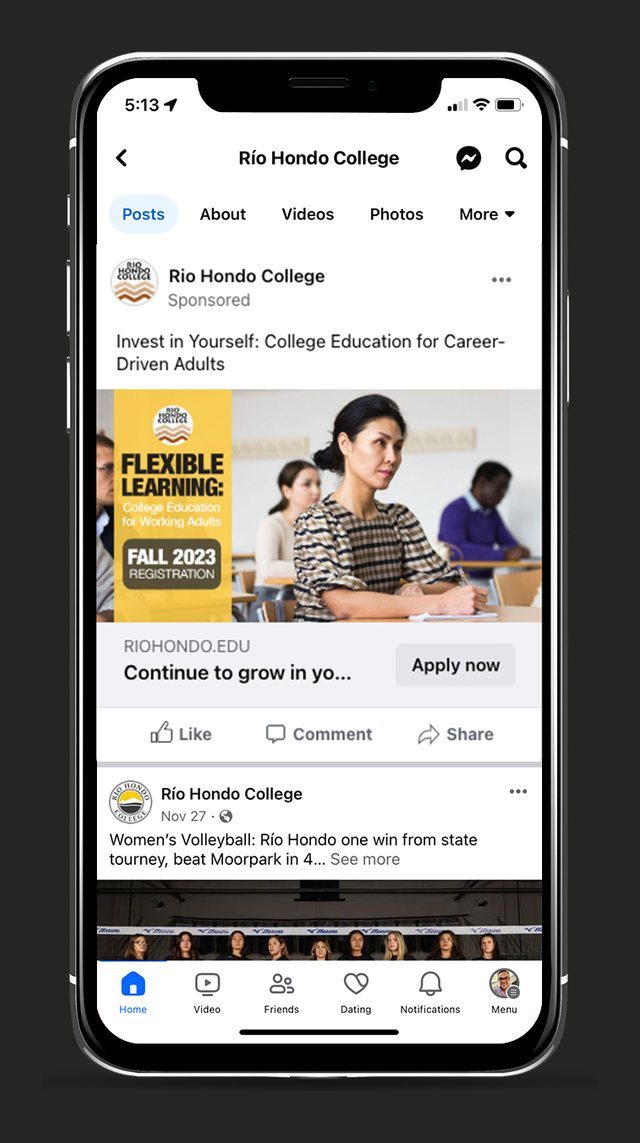
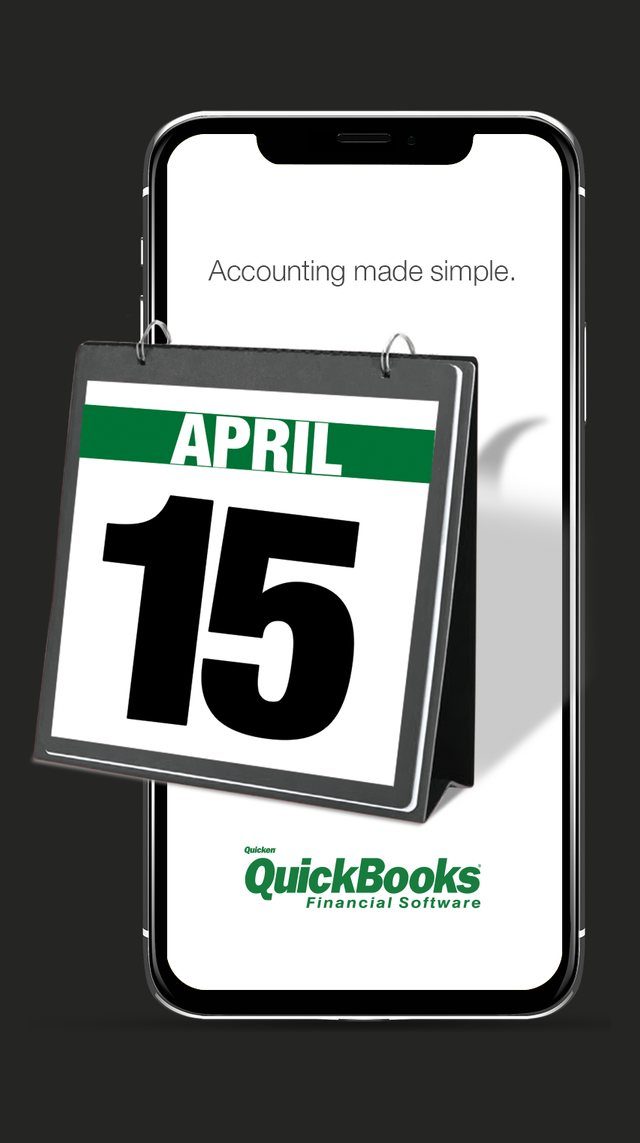
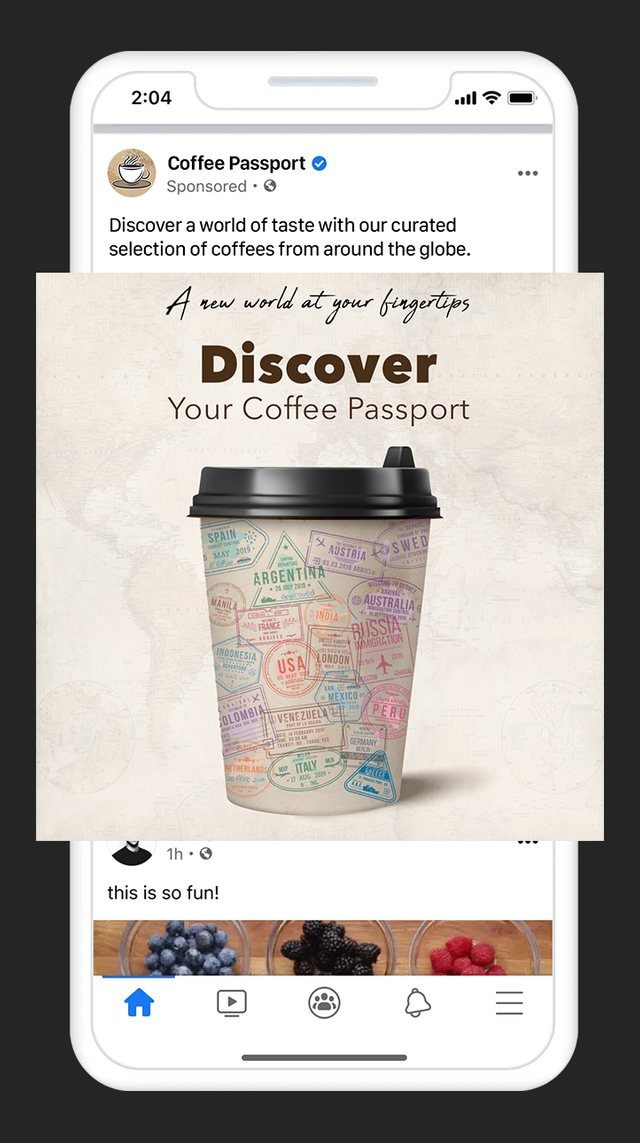
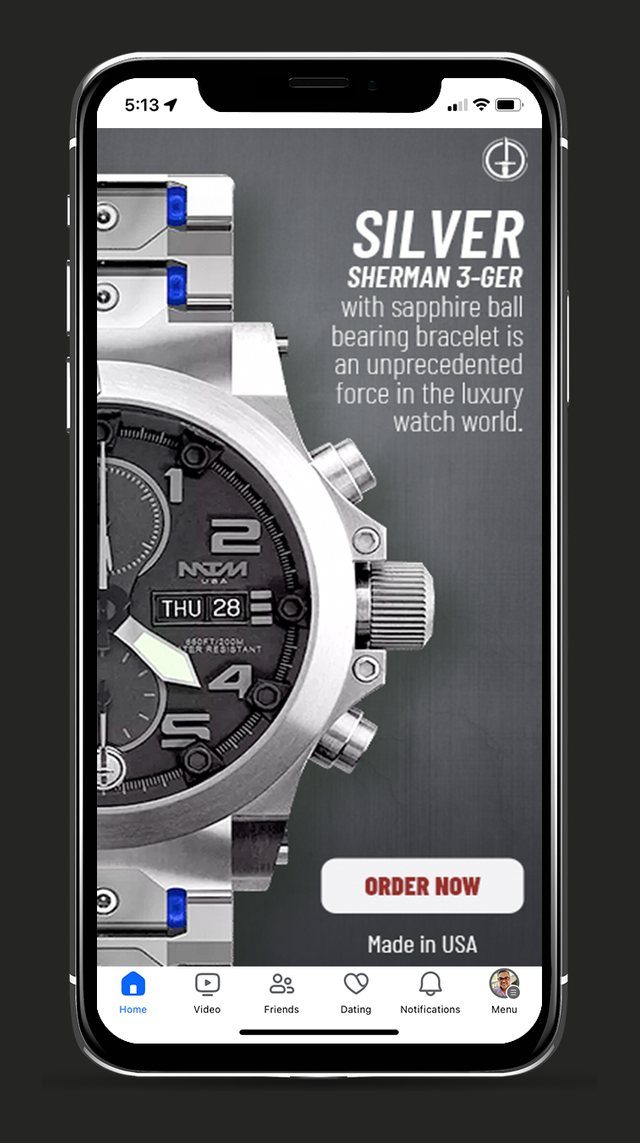
A community college recruiting working adults, an accounting platform, a coffee subscription and an American watchmaker. Nothing in common except the discipline: one idea per ad, type that survives a phone, and somewhere sensible to land.
Before you ask
The questions people are too polite to lead with.
How much should I be spending?
Less than you think, at the start. Enough to learn something and not enough to hurt. The honest answer depends on what a customer is worth to you, which is why that is the first of the five.
Do I have to sign a long contract?
No. Ads are a month to month decision and they should stay that way. Anything that locks you in for a year is protecting the agency, not you.
Who owns the ad account?
You do, in your name, from day one, along with the data in it. If you leave, you take the account and its history with you. Nothing here is built to make leaving expensive.
What if it does not work?
Then we find that out on a small budget instead of a large one, and I tell you plainly rather than asking for another three months. Sometimes the answer is that ads are not your bottleneck.
Can you run ads to the site I already have?
Sometimes. I will look at it first and tell you honestly whether it will hold up to paid traffic. If it will not, sending money at it is the expensive way to find out.
Can I stop?
Any time, and the traffic stops with it. That is worth understanding before you start: paid attention ends when the payments do, which is exactly why it works best alongside the things that do not.
Start here
Tell me what
you're selling.
Describe the business and what you were thinking of spending. I will tell you whether ads are the right move yet, and if they are not, what I would do with that money instead.